Home / Bottom Seal and Weatherstrip Replacement
Bottom Seal and Weatherstrip Replacement
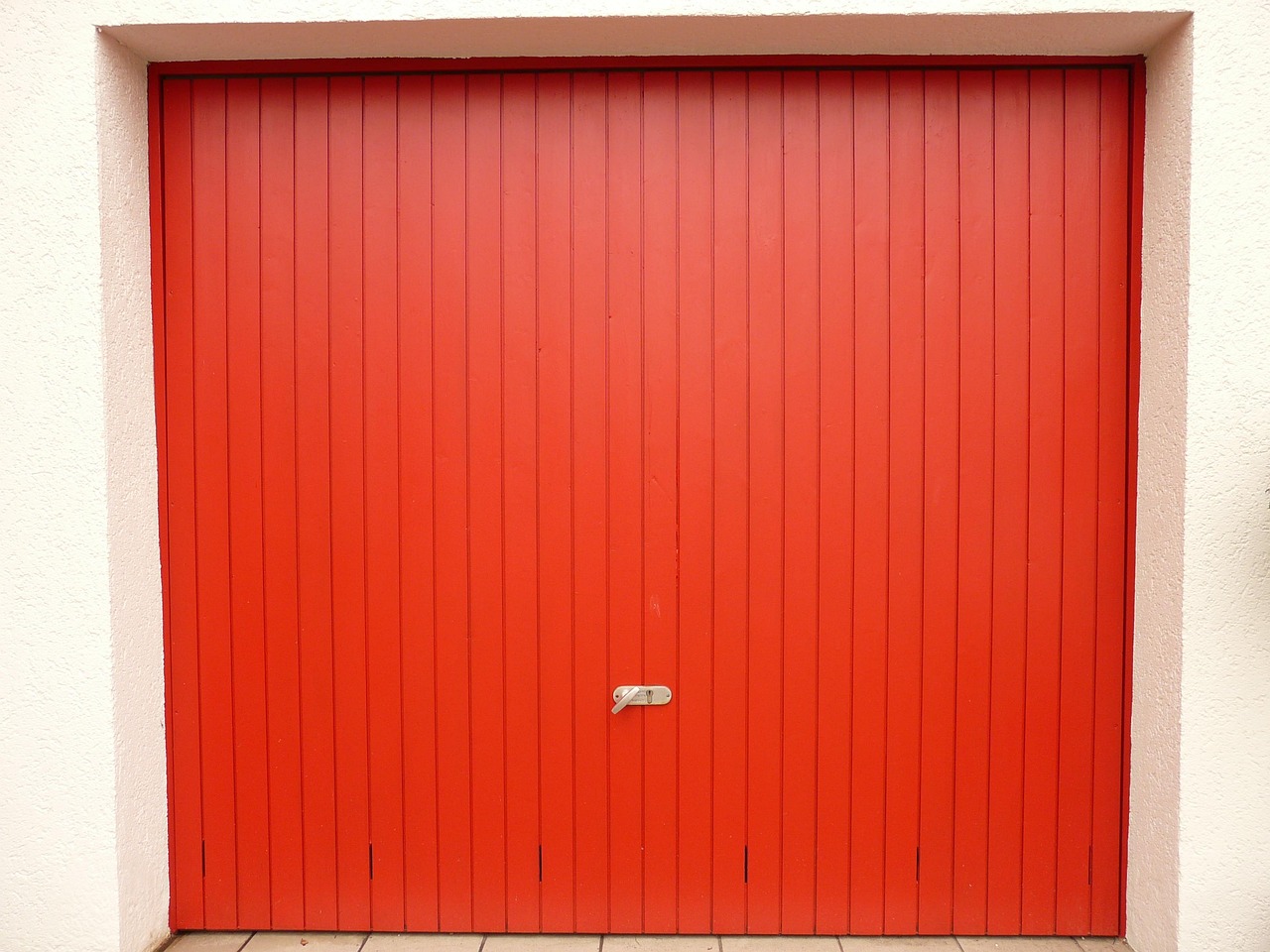
The shape of the gap under a closed door is diagnostic, and it decides whether a new seal will actually fix anything.
An even thin line of daylight across the full width means the door sits square and the rubber has simply hardened with age. That is the one case where replacing the seal on its own is the complete fix.
A wedge, wide at one end and tight at the other, means the door is not closing level. A new gasket on a door like that gets crushed at the low corner within weeks while still leaving a gap at the high one. The alignment is the fault, not the rubber.
A gap that changes shape between closings points at the rollers or track letting the door land in a slightly different position each time.
Retainer profiles are not interchangeable. The channel on the bottom of the door is either a T shape or a U shape, and the replacement has to match it.
Getting the seal right earns more here than it would inland, because along the older streets off Atlanta Avenue the gap is what lets damp air and blown grit sit against the bottom section all night, and the bottom seal, panel corrosion and track alignment notes at garage door repair huntington beach field treat a worn gasket as the beginning of a rust problem rather than a draught complaint.
The floor is half the seal. A slab with a dip gives the rubber nothing flat to close against, and no gasket compensates for that.
Protecting the Garage Threshold Against Coastal Climate Fluctuations
The environmental conditions in Orange County demand a more proactive approach to weatherstripping than in many inland regions. While the average annual temperature remains comfortable, the specific atmospheric shifts occurring near the Pacific Ocean can accelerate the degradation of rubber and vinyl components. Homeowners must understand how these shifts impact the seal integrity of a garage door.
Managing Fog and Moisture Ingress
During May and June, the Huntington Beach Oil Field contributes to significantly more overcast and foggy conditions than other times of the year. This persistent moisture is not merely a visual inconvenience. When the garage door remains closed, heavy fog can settle into the bottom tracks and seep through a worn or cracked bottom seal. If the weatherstripping has lost its flexibility, it fails to create the airtight barrier necessary to keep this damp air out of the garage. This moisture can lead to localized humidity spikes inside the garage, which may eventually affect stored items or contribute to the oxidation of metal hardware. Replacing a seal before the peak of the foggy season helps ensure that the garage remains a dry environment during these months.
Salt Air and Material Longevity
Living near landmarks like the Huntington Beach Pier or the International Surfing Museum means dealing with high salt content in the air. Salt is highly corrosive to metal. While the bottom seal itself is often made of rubber or flexible vinyl, it acts as the primary defense for the bottom section of the door. If the seal is compromised, salt laden air can bypass the gasket and sit directly against the door edge. For steel doors, this can lead to premature rust if the galvanization on the door edges is not perfectly intact. Even with a high quality steel door, a failed seal allows salt spray to penetrate the gap, potentially attacking the screw heads and the bottom panel edges. Ensuring a tight fit with new weatherstripping is a critical step in preventing the long term decay of the door structure.
Temperature Shifts and Seal Expansion
Although the climate is generally mild, the transition between the warmth of the afternoon and the cooler coastal nights can cause materials to expand and contract. A seal that seems to fit perfectly during a warm afternoon might pull away from the concrete floor as the temperature drops at night. This is particularly true if the garage floor has any significant irregularities. When the rubber cools, it can become slightly more rigid, making it less able to conform to the dips and slopes of a slab. Maintaining a seal with the correct thickness and R-value considerations for thermal insulation helps minimize these temperature related gaps.
The Practical Implementation and Timing of Seal Replacement
Executing a bottom seal replacement is not a one step process. It requires a specific sequence of actions to ensure the new material performs as intended. The timeline for this work can vary based on the specific hardware currently installed and the physical condition of the garage opening. Garage Door Repair Huntington Beach Field provides this technical context to help you understand the labor involved.
The Necessary Sequence of Operations
Before a new gasket can be installed, the existing track and bottom rail must be thoroughly cleaned. In areas near the Santa Ana River or along the coast, grit, sand, and salt buildup can accumulate in the T shaped or U shaped channels. If this debris is not removed, the new weatherstripping will not seat properly, leading to an uneven fit. The typical workflow involves:
- Removing the old, hardened rubber or fabric components.
- Inspecting the bottom rail for signs of corrosion or structural weakness.
- Cleaning the channel to ensure no sand or grit prevents a deep seat.
- Measuring the exact width of the door to avoid unnecessary stretching or compression.
- Pressing the new seal into the retainer until it is fully seated.
If the door is a composite unit using fiberglass or vinyl, extra care must be taken during the cleaning phase to avoid damaging the decorative cladding. The goal is to ensure the seal sits flush against the floor without being forced, which can cause the material to buckle.
Adjusting for Structural and Mechanical Variables
Sometimes, replacing the seal is only part of a larger mechanical requirement. If the garage door opener is struggling or if the door seems to hit the floor with excessive force, the issue might be related to the torsion spring tension or the balance of the door. A technician may need to check the balance of the door before finalizing the seal installation. If the door is too heavy or unbalanced, it can crush the new weatherstripping against the floor, significantly shortening its lifespan. Furthermore, if the tracks are not perfectly vertical, the seal will not make uniform contact. In these cases, the timeline for the repair extends from a simple gasket swap to a full alignment and balance adjustment.
Local Timing and Accessibility Considerations
The timing of a repair can be influenced by local geography and traffic patterns. For homes located near the Interstate 405 or near the busy corridors of Beach Boulevard, scheduling service during peak transit times can delay the arrival of specialized help. Additionally, if you live in a coastal community where wind and sand are constant factors, it is often more efficient to perform these replacements during a period of calm weather. High winds can blow debris into the open garage during the replacement process, which can get trapped under the new seal and create the very gaps you are trying to eliminate. Planning the work during a clear, low wind window ensures the cleanest possible installation.
By understanding the relationship between the local Huntington Beach environment and the mechanical requirements of your garage door, you can make more informed decisions about when to replace worn components. Whether you are protecting your garage from the fog of May or preventing salt corrosion from the Pacific, the bottom seal remains one of the most important, yet often overlooked, elements of your home security and climate control.